
Switches, Uncategorized
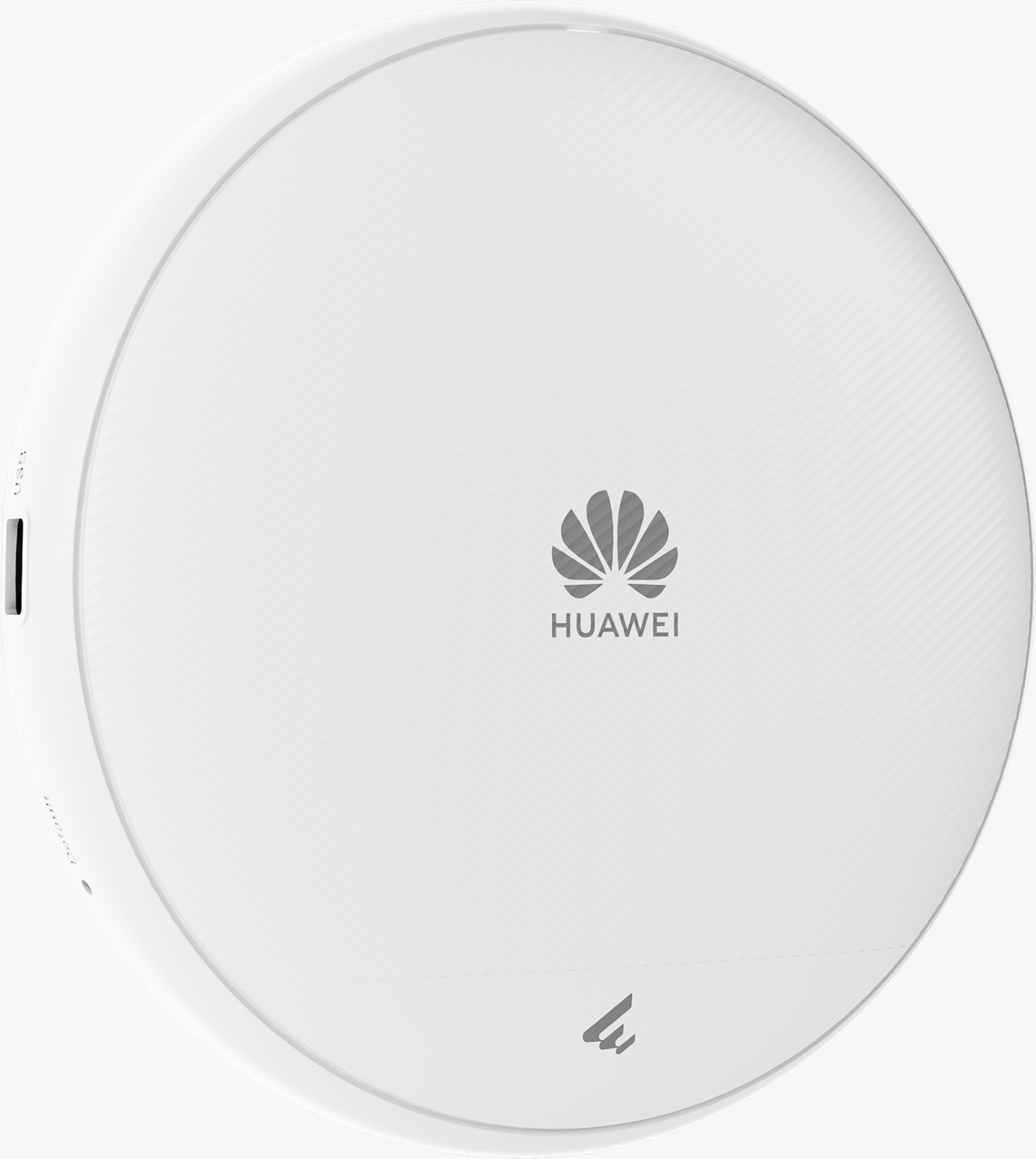
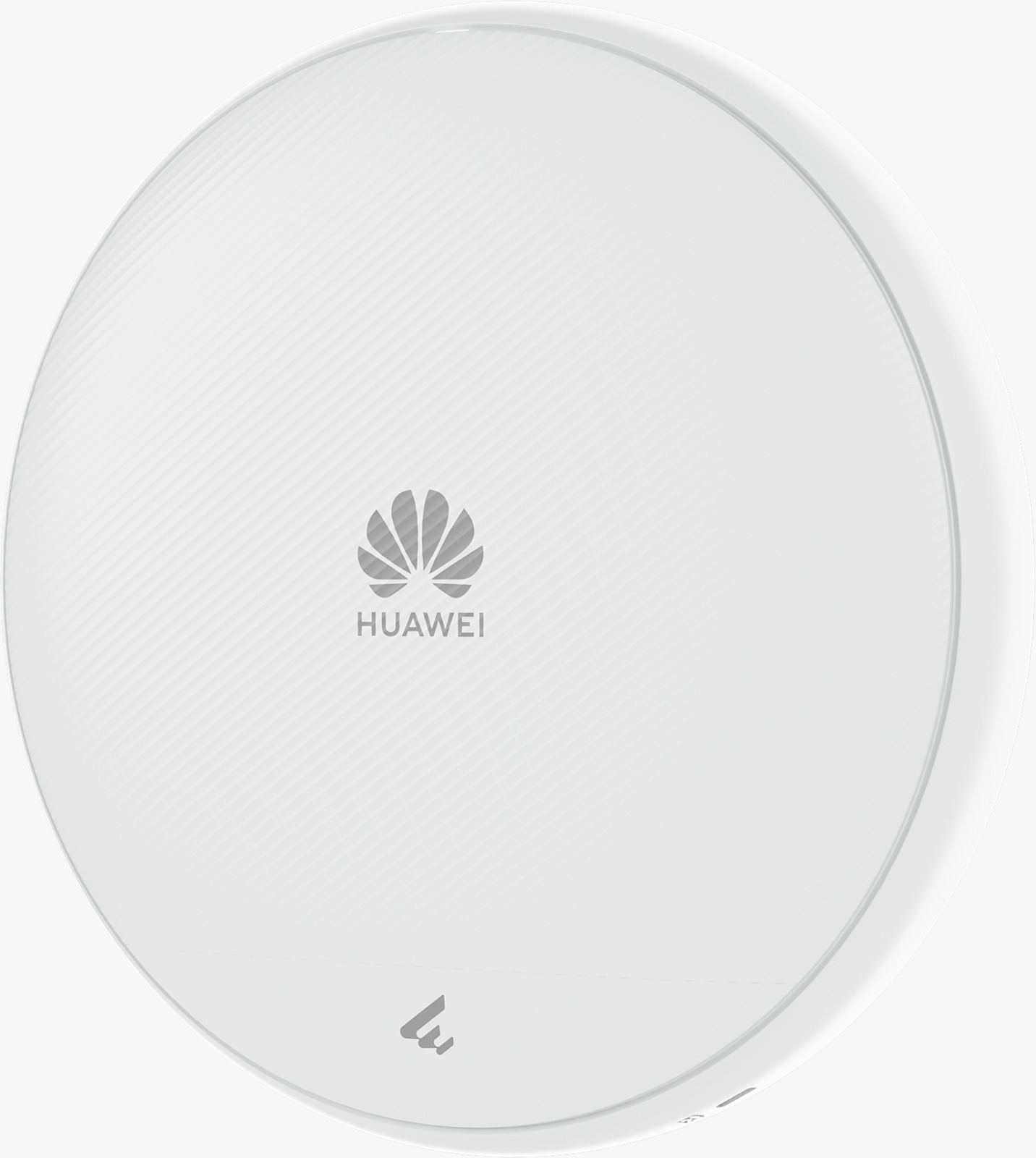
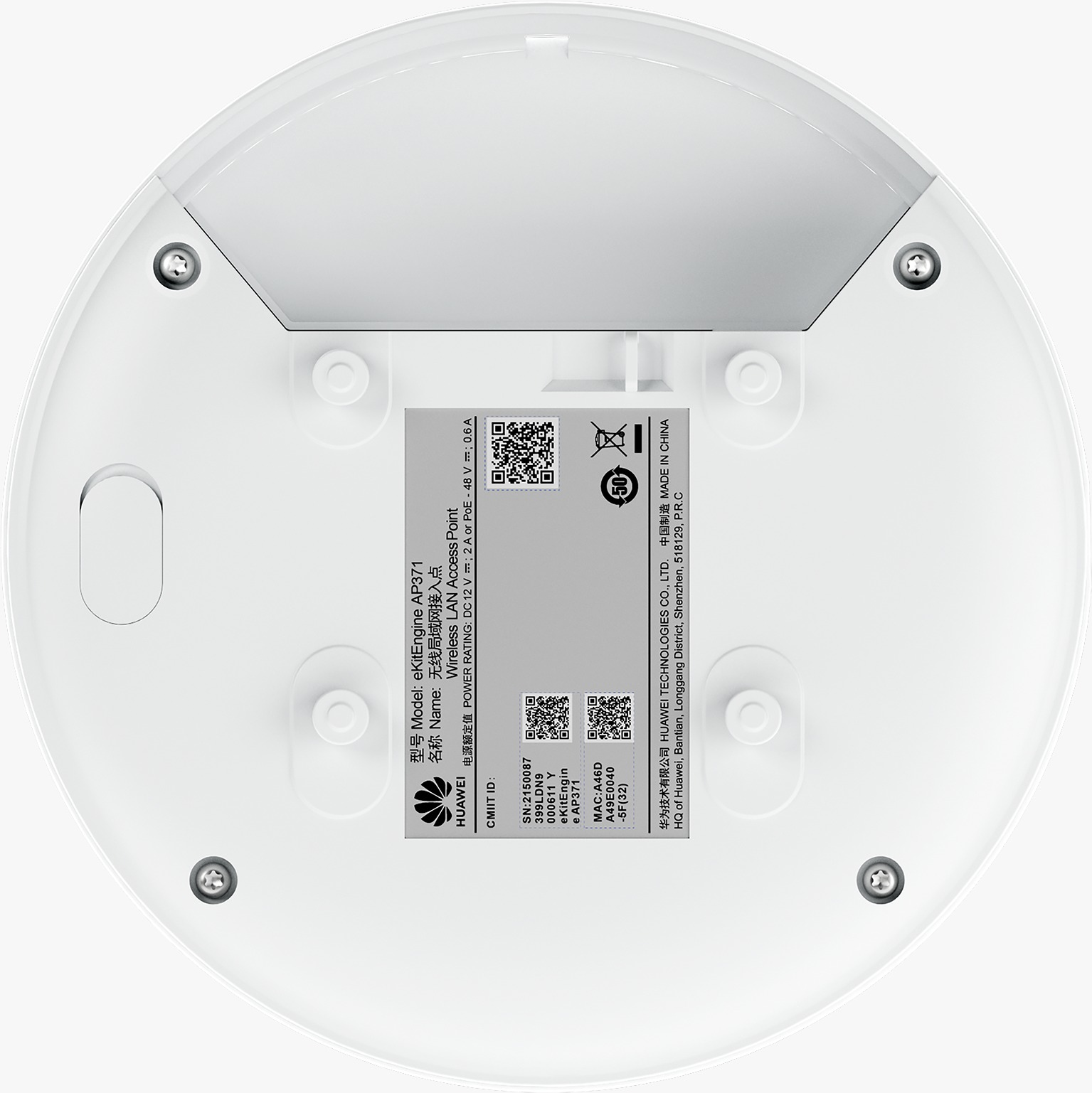
Huawei eKitEngine AP371 Wi-Fi 7 Access Point
- Huawei
- BE3600 Dual-Band 2.5GE Settled AP
- Wi-Fi 7 vs. Wi-Fi 6
- eKitEngine AP371 is a next-generation indoor access point (AP) in compliance with Wi-Fi 7
(802.11be). It can simultaneously provide services on 2.4 GHz (2×2 MIMO) and 5 GHz (2×2 MIMO)
frequency bands, supporting a total of 4 spatial streams and achieving a device rate of up to 3.57 Gbps. - Max. 256 access users
- 150 access users recommended
6.700,00 EGP
- Feature Descriptions
- Wi-Fi 7 (802.11be) standard
Wi-Fi 7 (802.11be) is the next-generation Wi-Fi standard to be launched, also known as IEEE 802.11be or
extremely high throughput (EHT). Based on Wi-Fi 6, Wi-Fi 7 introduces technologies such as 320 MHz
bandwidth, 4096-quadrature amplitude modulation (QAM), multi-resource unit (RU), multi-link operation
(MLO), enhanced multi-user multiple-input multiple-output (MU-MIMO), and multi-AP coordination.
Drawing on these cutting-edge technologies, Wi-Fi 7 delivers a higher data transmission rate and lower
latency than Wi-Fi 6. The network throughput of Wi-Fi 7 is expected to increase to more than 30 Gbps,
about three times that of Wi-Fi 6.
Wi-Fi 7 vs. Wi-Fi 6
Based on the Wi-Fi 6 standard, Wi-Fi 7 introduces a plurality of new technologies. The following compares
Wi-Fi 6 and Wi-Fi 7. - New Features in Wi-Fi 7
Wi-Fi 7 aims to increase the WLAN throughput to over 30 Gbps and provide low-latency access assurance.
To achieve this goal, the standard defines modifications to both the physical layer (PHY) and MAC layer.
Compared with Wi-Fi 6, Wi-Fi 7 brings the following technical innovations:
Multi-RU*
In Wi-Fi 6, each user can send or receive frames only on the RUs allocated to them, which greatly
limits the flexibility of spectrum resource scheduling. To resolve this problem and further improve
spectrum efficiency, Wi-Fi 7 defines a mechanism for allocating multiple RUs to a single user. To
balance the implementation complexity and spectrum utilization, the standard specifications impose
certain restrictions on RU combination. That is, small RUs (containing fewer than 242 tones) can be
combined only with small RUs, and large RUs (containing greater than or equal to 242 tones) can be
combined only with large RUs. Small RUs and large RUs cannot be combined together.
Features marked with asterisks (*) can be implemented through software upgrade.
Higher-Order 4096-QAM
The highest order modulation supported by Wi-Fi 6 is 1024-QAM, which allows each modulation
symbol to carry up to 10 bits. To further improve the rate, Wi-Fi 7 introduces 4096-QAM so that each
modulation symbol can carry 12 bits. With the same coding scheme, 4096-QAM in Wi-Fi 7 can
achieve a 20% rate increase compared with 1024-QAM in Wi-Fi 6.
Multi-Link Mechanism
To efficiently utilize all available spectrum resources, the TGbe defines multi-link aggregation
technologies, including the MAC architecture of enhanced multi-link aggregation, multi-link channel
access, and multi-link transmission.
Multi-AP Coordination*
In the current 802.11 protocol framework, there is not much coordination between APs. Common
WLAN functions, such as automatic radio calibration and smart roaming, are vendor-defined features.
Multi-AP coordination aims to optimize channel selection and adjust loads between APs to achieve
Based on 0 reviews
Be the first to review “Huawei eKitEngine AP371 Wi-Fi 7 Access Point”
Related products
-
Uncategorized, Networking, Switches, Wireless Range Extender
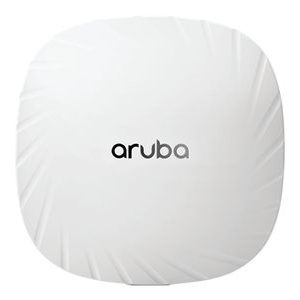
AP12 Aruba Access Point Instant On AP12 3×3 ….
 Uncategorized, Networking, Switches, Wireless Range Extender
AP12 Aruba Access Point Instant On AP12 3×3 ….
The Aruba Instant On AP12 (APIN0305) is a versatile indoor access point designed for small to medium-sized businesses. It supports dual-band Wi-Fi 802.11ac Wave 2, providing high-speed connectivity for various applications.
Indoor Access Point
Frequency Bands: 2.4 GHz and 5 GHz
Maximum Data Rate: Up to 1.6 Gbps combined (400 Mbps on 2.4 GHz, 1.2 Gbps on 5 GHz)
Antenna Configuration: 3×3 MIMO for both bands
1 x 10/100/1000Base-T Ethernet port (auto-sensing)
Power over Ethernet (PoE) support
SKU: AP12
There are no reviews yet.