
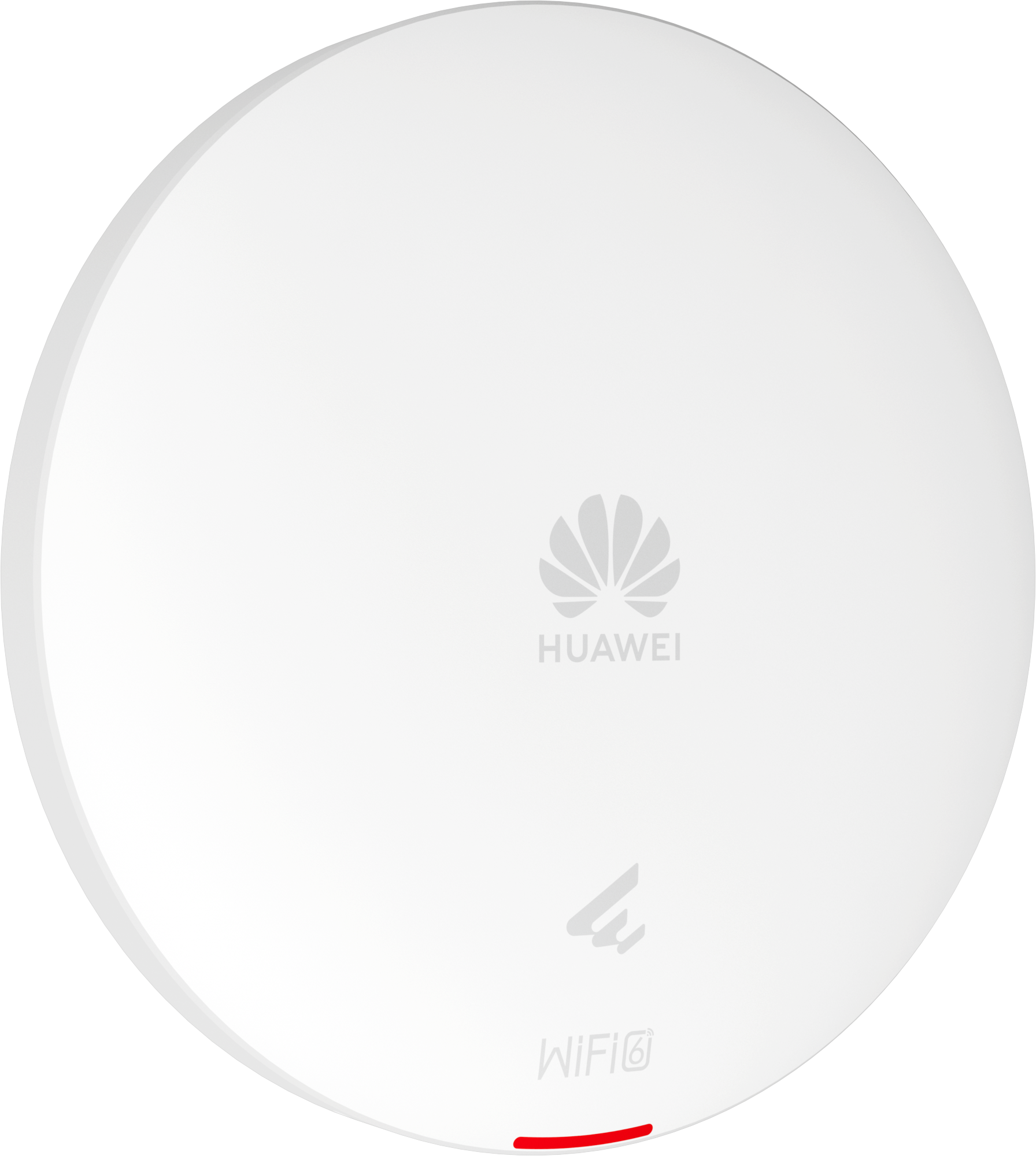
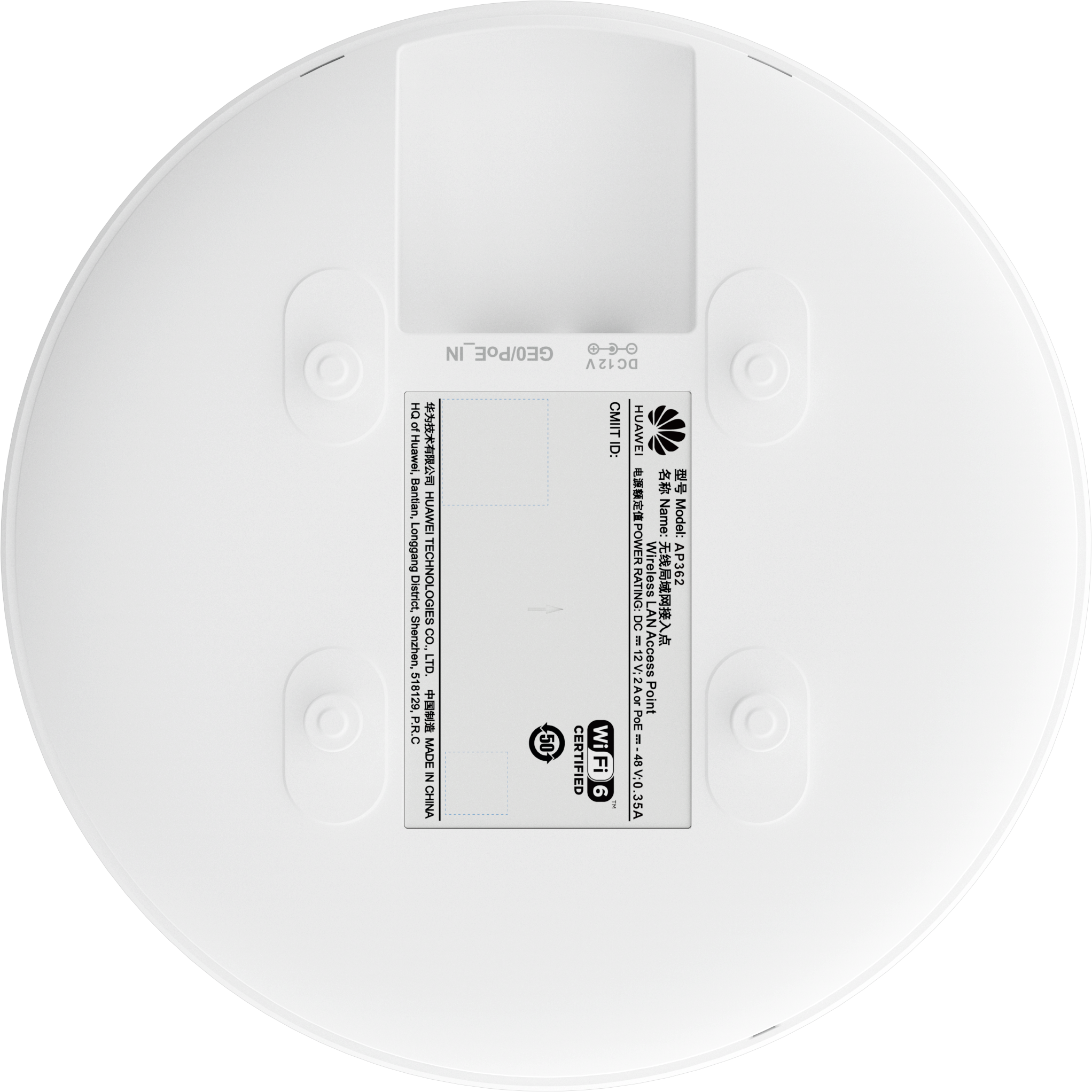
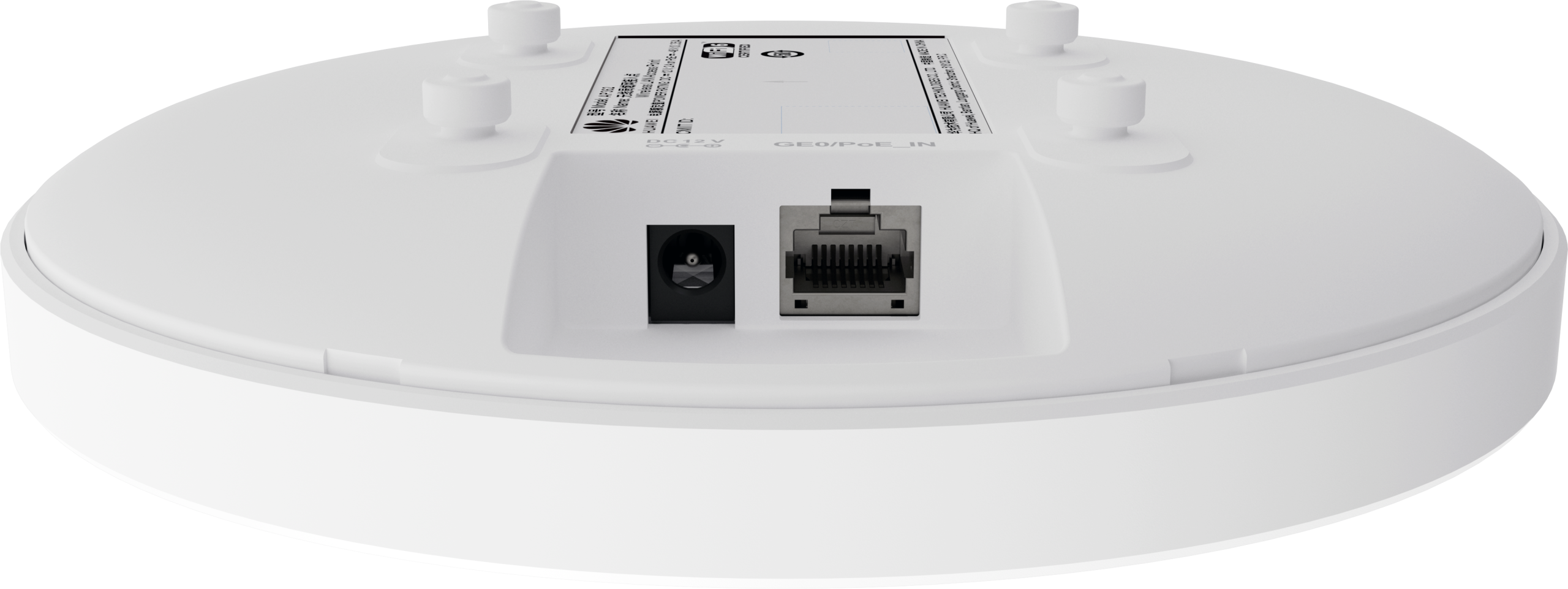
Huawei eKitEngine AP362 Access Point
- Huawei
- AX3550 Dual Band Indoor Access Point
- eKitEngine AP362 is a Wi-Fi 6 (802.11ax) wall plate access point (AP). It can simultaneously provide services on 2.4
GHz (2×2 MIMO) and 5 GHz (2×2 MIMO) frequency bands, achieving a device rate of up to 2.975 Gbps. - Dual-radio mode: 2.4 GHz (2×2 MIMO) + 5 GHz (2×2 MIMO), achieving rates of up to 575 Mbps and 2.4 Gbps,
respectively, and 2.975 Gbps for the device. - 1 x GE electrical port
8.200,00 EGP
- Feature Descriptions
- Wi-Fi 6 (802.11ax) standard
- As the latest generation Wi-Fi standards of IEEE 802.11, 802.11ax improves user experience in high-density access
scenarios and supports 2.4 GHz and 5 GHz frequency bands. - MU-MIMO on both the 2.4 GHz and 5 GHz frequency bands, allowing an AP to transmit data to and receive data from
multiple STAs simultaneously and multiplying the utilization of radio spectrum resources. - 1024-QAM modulation, improving data transmission efficiency by 25% compared with 802.11ac (256-QAM).
- OFDMA scheduling enables multiple users to receive and send information at the same time, reducing latency andimproving network efficiency.
- Spatial reuse (SR) technology uses basic service set (BSS) coloring to enable APs and STAs to distinguish BSSs,
minimizing co-channel interference. - The target wake time (TWT)* allows APs and STAs to negotiate the sleep and wake time with each other, thereby
improving the battery life of the STAs. - The function and features marked with * can be implemented through software upgrade. The following describes are the
same. - MU-MIMO
The AP supports MU-MIMO and supports a maximum of four spatial streams, two spatial streams at 2.4 GHz (2×2 MIMO) and
two spatial streams at 5 GHz (2×2 MIMO). The MU-MIMO technology enables an AP to send data to multiple STAs
simultaneously, which doubles the radio spectrum resource usage, increases the number of access users and bandwidth, and
improves user experience in high-density access scenarios.
High-speed access
The AP supports 160 MHz frequency bandwidth, which increases the number of available data subcarriers and expands
transmission channels. In addition, the AP uses 1024-QAM modulation and MU-MIMO to achieve a rate of up to 0.575 Gbps at
2.4 GHz radio, 2.4 Gbps at 5 GHz radio, and 2.975 Gbps for the device.
High Density Boost technology
Huawei uses the following technologies to address challenges in high-density scenarios, including access problems, data
congestion, and poor roaming experience: - Load balancing during smart roaming: The load balancing algorithm enables load balancing detection between APs on the
network after STA roaming to adjust the STA load on each AP, improving network stability. - Intelligent dynamic frequency assignment (DFA) technology: The DFA algorithm is used to automatically detect adjacentchannel and co-channel interference, and identify any redundant 2.4 GHz radios. Through automatic inter-AP negotiation, a
redundant radio is automatically switched to another mode (dual-5G AP models support 2.4G-to-5G switchover) or is disabled to
reduce 2.4 GHz co-channel interference and increase the system capacity. - Intelligent conflict optimization technology: Dynamic enhanced distributed channel access (EDCA) and airtime scheduling
algorithms are used to schedule the channel occupation time and service priority of each user. This ensures that each user is
assigned a relatively equal amount of time for using channel resources and user services are scheduled in an orderly manner,
improving service processing efficiency and user experience.
Air interface performance optimization - In high-density scenarios where many users access the network, increased number of low-rate STAs consumes more
resources on the air interface, reduces the AP capacity, and lowers user experience. Therefore, Huawei APs will check the
signal strength of STAs during access and rejects access from weak-signal STAs. At the same time, the APs monitor the rate of
online STAs in real time and forcibly disconnect low-rate STAs so that the STAs can reassociate with APs that have stronger
signals. The terminal access control technology can increase air interface use efficiency and allow access from more users.
5G-prior access (band steering) - The APs support both 2.4 GHz and 5 GHz frequency bands. The 5G-prior access function enables an AP to steer STAs to
the 5 GHz frequency band first, which reduces load and interference on the 2.4 GHz frequency band, improving the user
experience.
Wired and wireless dual security guarantee
To ensure data security, Huawei APs integrate wired and wireless security measures and provide comprehensive security
protection.
Authentication and encryption for wireless access - The APs support WEP, WPA/WPA2-PSK, WPA3-SAE, WPA/WPA2-PPSK, WPA/WPA2/WPA3-802.1X, and WAPI
authentication/encryption modes to ensure security of the wireless network. The authentication mechanism is used to
authenticate user identities so that only authorized users can access network resources. The encryption mechanism is used to
encrypt data transmitted over wireless links to ensure that the data can only be received and parsed by expected users.
Rogue device monitoring - Huawei APs support WIDS/WIPS, and can monitor, identify, defend, counter, and perform refined management on the
rogue devices, to provide security guarantees for air interface environment and wireless data transmission.
Wired access authentication and encryption for the AP - The AP access control ensures validity of APs. The CAPWAP link protection and DTLS encryption provide security
assurance, improving data transmission security between the AP and the WLAN AC.
Automatic radio calibration
Automatic radio calibration allows an AP to collect signal strength and channel parameters of surrounding APs and generate an
AP topology according to the collected data. Based on the interference caused by authorized APs, rogue APs, and No Wi-Fi APs
and their loads, each AP automatically adjusts its transmit power and working channel to make the network operate at the
optimal performance. In this way, network reliability and user experience are improved.
Leader AP
The leader AP integrates some WLAN AC functions and can be used to manage Fit APs in small- and medium-sized enterprises
and stores, implementing WLAN AC-free access not requiring licenses and saving customer investment.
Cloud-based Management
The AP can be managed via cloud, then no need to deploy a WLAN AC and an authentication server. In cloud-based
management mode, abundant authentication functions, such as pre-shared key (PSK) authentication, Portal authentication,
SMS authentication, and social media authentication, can be implemented. This mode significantly simplifies the networking and - reduces the capital expenditure (CAPEX). In addition, multiple advanced functions, such as online cloud-based network
planning, cloud-based deployment, cloud-based inspection, and cloud-based O&M, can be implemented through Huawei cloud
management platform. In multi-branch deployment scenarios, cloud APs are pre-configured on the cloud management platform
firstly. Then on site, you only need to power on the cloud APs and connect them to switch ports, then scan the QR code to
implement AP plug-and-play. Pre-configurations are automatically delivered to devices, greatly shortening the network
deployment time. The cloud management platform can monitor the network status, device status, and terminal connection status
of all sites of a tenant in a comprehensive and intuitive manner to learn the network and service running status in real time.
Based on 0 reviews
Be the first to review “Huawei eKitEngine AP362 Access Point”
Related products
-
Uncategorized, Networking, Wireless Range Extender
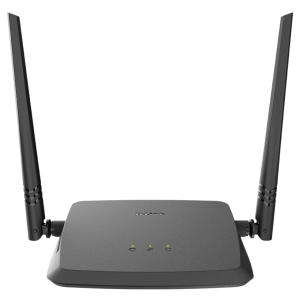
DIR-612 D-LINK Wireless N300 Access points
-
High-Speed Wireless: Offers wireless speeds of up to 300 Mbps, ideal for streaming, browsing, and online gaming.
-
Multiple Operating Modes: Supports Access Point, Repeater, and Client modes, allowing for versatile network configurations to meet your needs.
-
Easy Setup: User-friendly web interface and WPS button for quick and hassle-free installation.
-
Enhanced Coverage: Equipped with external antennas to improve wireless signal strength and coverage throughout your space.
SKU: DIR-612 -
-
Uncategorized, Networking, Routers and Access Point
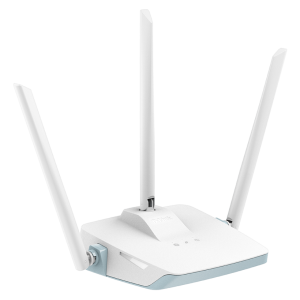
R04 D-LINK Smart Access Points N300
The D-Link N300 High Power Access Point (R04) is designed to extend your wireless network coverage with enhanced signal strength. Featuring three external antennas, it provides reliable connectivity and improved performance in larger areas.
High Power Output: Boosts wireless signal strength for extended coverage, making it ideal for larger homes or offices.
N300 Speed: Offers wireless speeds of up to 300 Mbps, suitable for everyday internet activities like browsing and streaming.
Multiple Operating Modes: Supports Access Point, Repeater, and Client modes for versatile network configurations.
1x 10/100 Fast Ethernet WAN Port
4x 10/100 Fast Ethernet LAN Ports
SKU: R04
There are no reviews yet.